
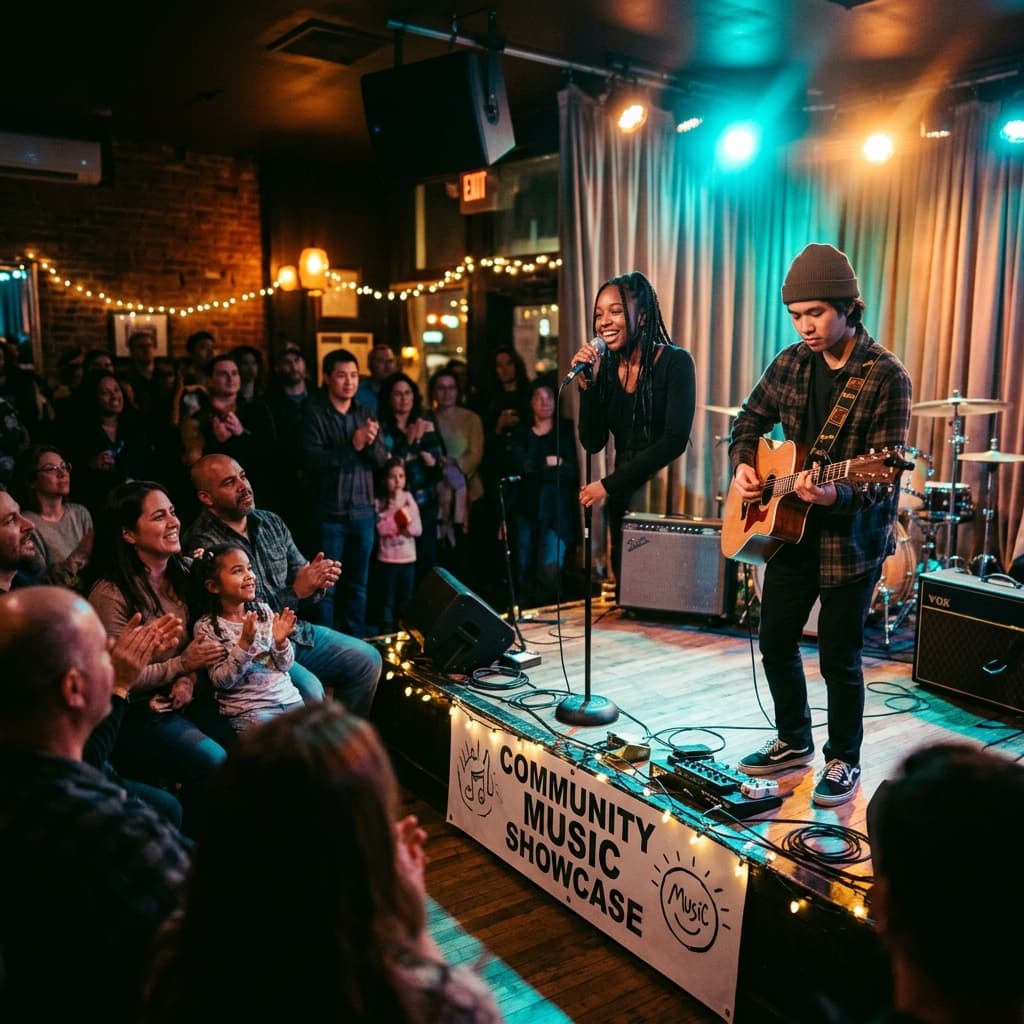
Why Music Education Matters for At-Risk Youth
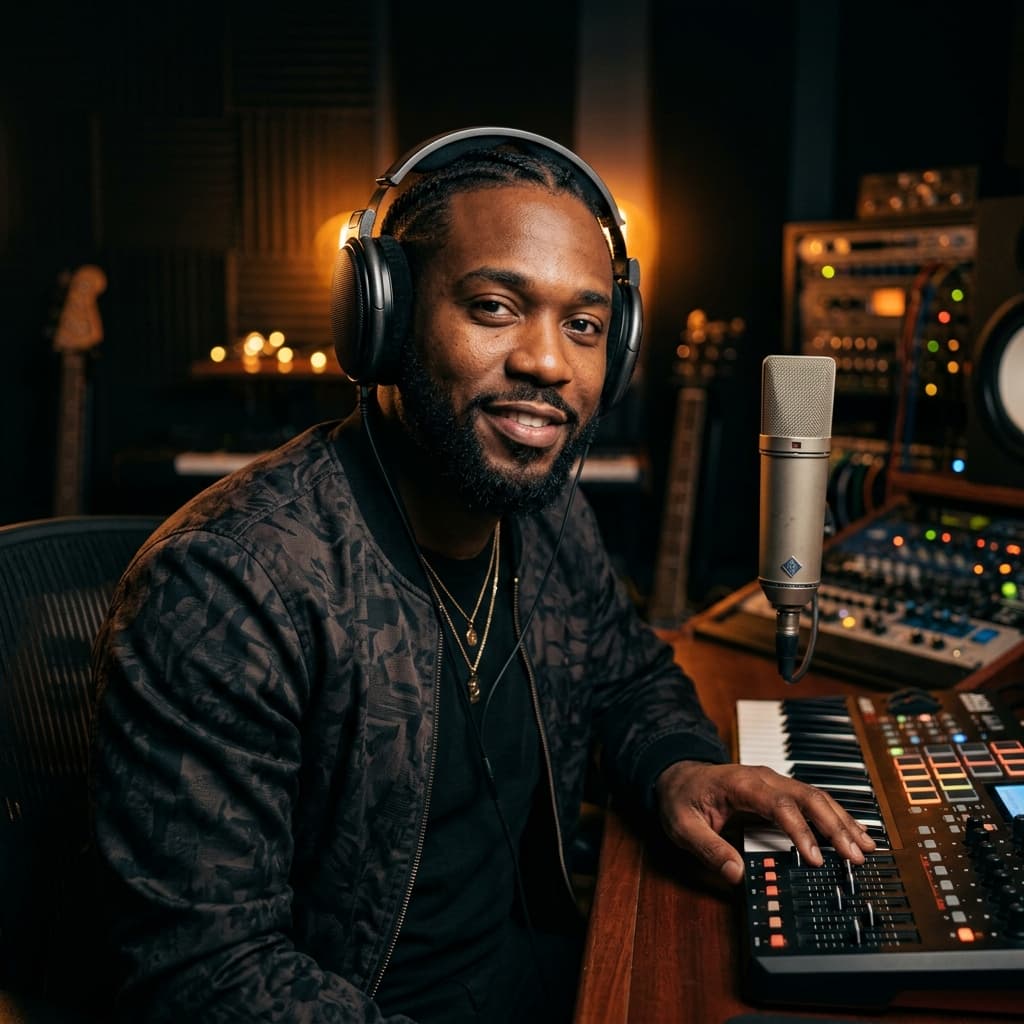
Devon Blake
Vocal Coach & Mentor
Devon Blake
Contents
The Gap in Traditional Music Education
Most school music programs, if they exist at all, focus on concert band, choir, or orchestra. Those are valuable programs, but they don't reflect how most young people experience and create music today.
Kids are making beats on their phones, writing lyrics in their Notes app, and uploading songs to SoundCloud before they ever touch a traditional instrument. The gap between how young people actually make music and how institutions teach it has never been wider.
At EQ Records, we meet artists where they are. If a 15-year-old wants to produce trap beats, we teach them how to do it professionally. If a 17-year-old singer-songwriter wants to record an acoustic EP, we make that happen. The genre doesn't matter. The creative impulse does.
What the Research Shows
The data on music education and youth outcomes is compelling. Studies consistently show that sustained engagement in music programs correlates with higher graduation rates, improved emotional regulation, and stronger executive function skills.
But here's what matters most for our work: the effects are strongest for students from low-income backgrounds and those who have experienced trauma. Music doesn't just enrich. It intervenes. It provides a structured, supportive environment where young people can process difficult experiences through creative expression.
A 2024 study from the National Endowment for the Arts found that at-risk youth who participated in intensive arts mentorship programs were 3x more likely to earn a college degree and 2x more likely to report high life satisfaction as adults.
Why Mentorship Beats Instruction
There's a critical difference between teaching someone music and mentoring them through music. Instruction is transactional. Here's a skill, now practice it. Mentorship is relational. I see you, I believe in you, and I'm going to walk alongside you while you figure this out.
Our producers aren't teachers in the traditional sense. They're guides. They share their own struggles, celebrate the artist's wins, and create a space where failure is just part of the creative process. That relational model is what makes A.M.P. different from a music class.
When a young artist knows that their mentor genuinely cares about their growth, not just their output, everything changes. They take bigger creative risks. They show up more consistently. They start to see themselves as artists, not just kids messing around with music.
The EQ Records Approach
Our model is built on three principles: professional environments, professional relationships, and professional outcomes.
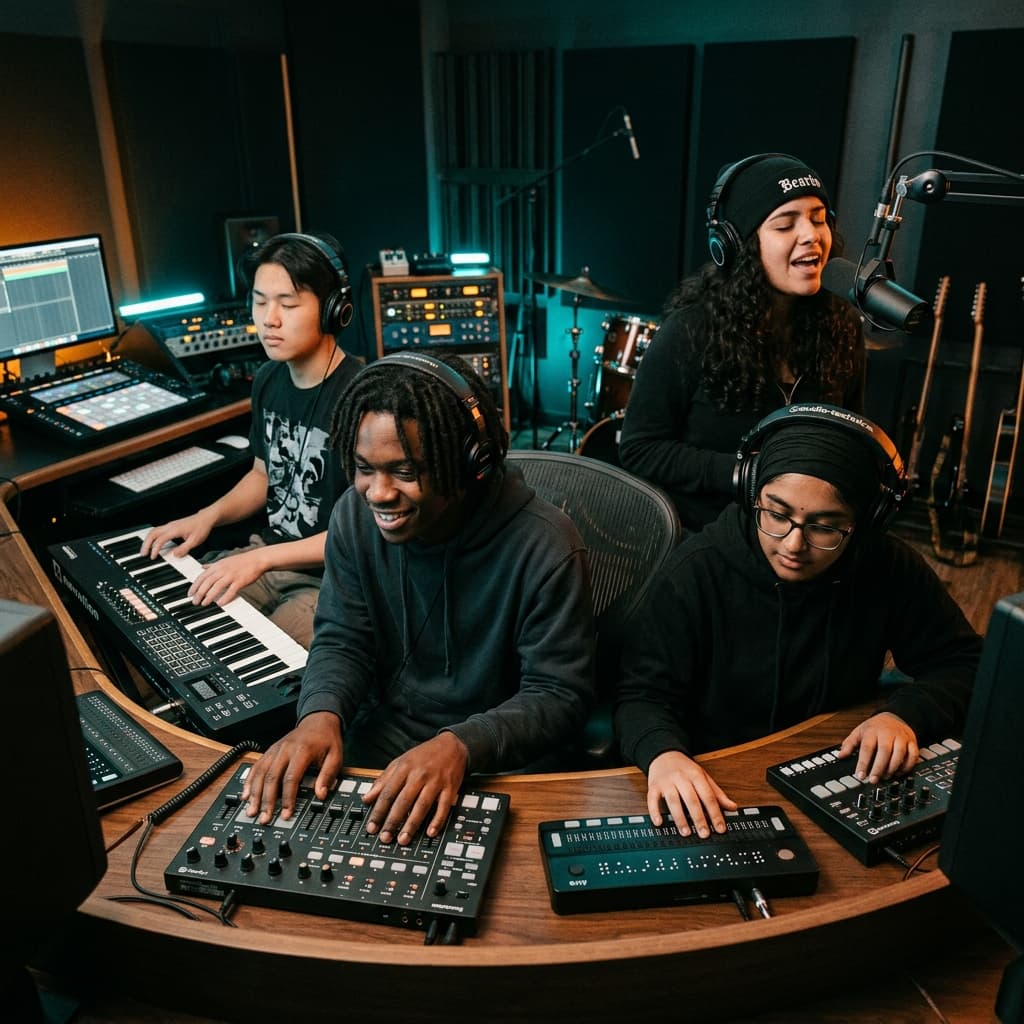
We don't run our programs in classrooms or community centers. We run them in a real recording studio with professional equipment. That environment communicates respect — it tells every artist that their work matters enough to be created in a space where professionals create.
We pair artists with working producers who are active in the industry. That professional relationship gives young artists a window into what a career in music actually looks like — and a mentor who can help them navigate it.
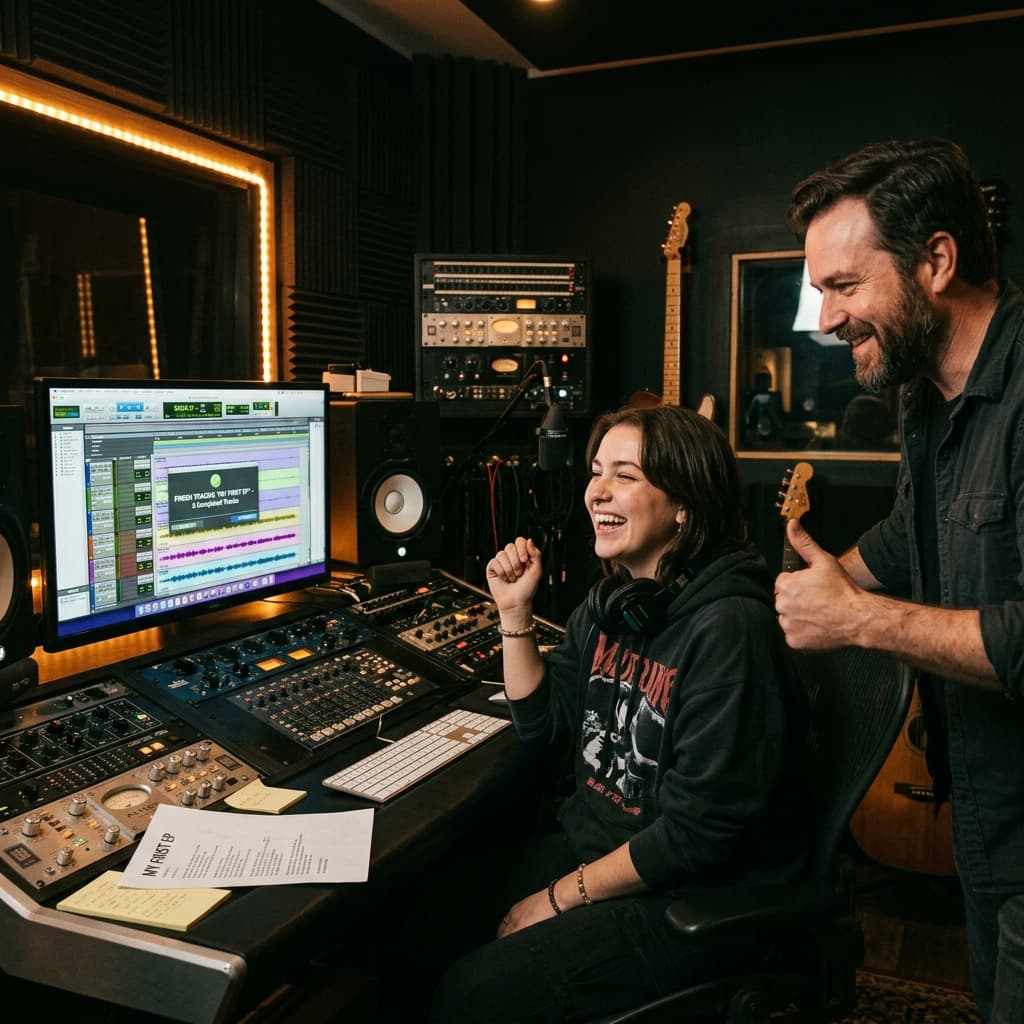
And we ensure every program ends with a professional outcome — a finished track, a live performance, a released EP. Something tangible that the artist can point to and say, 'I made that.' That outcome becomes a foundation for everything that comes next.
Help Us Create The Next
Generation Of Artists.
Every session, every mentor, every dollar. They all come together to give young artists a future in music.