
Breaking Barriers: The Vision 2 Victory Story
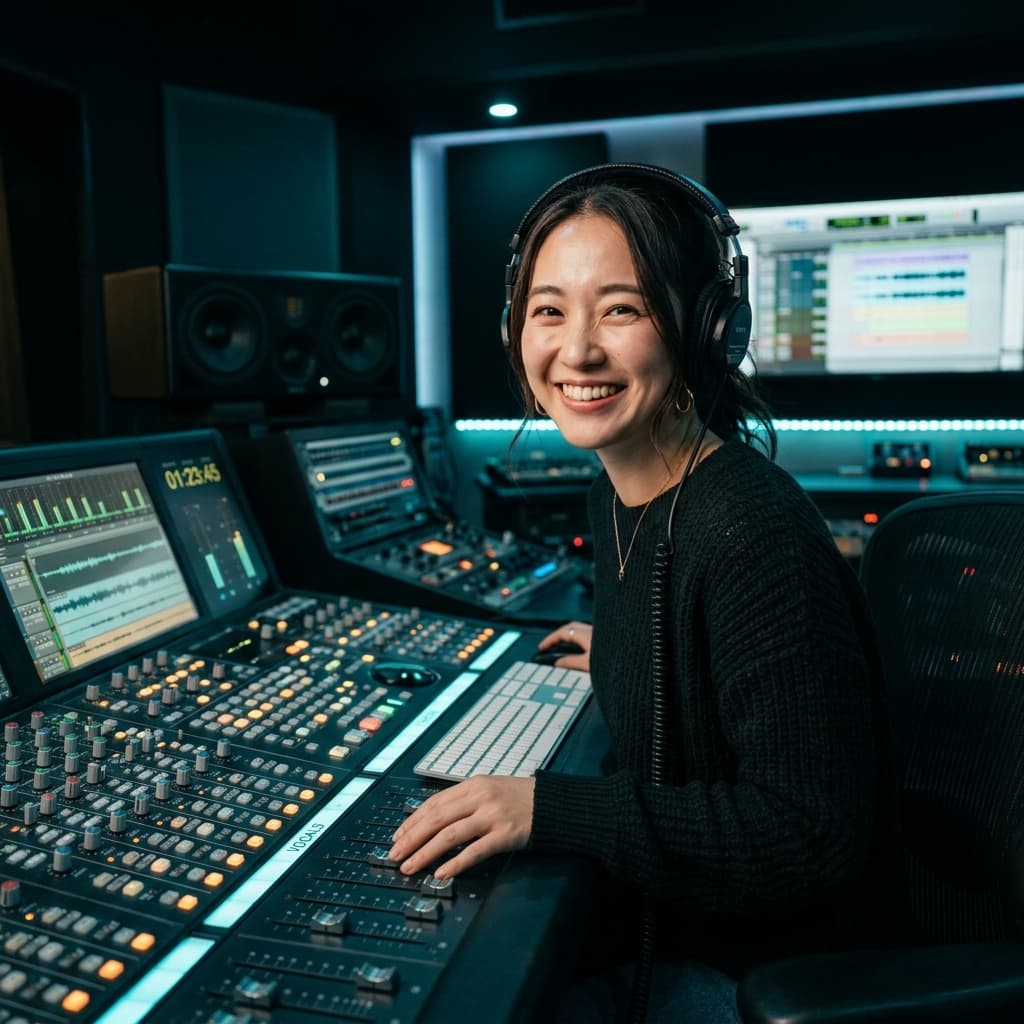
Ava Chen
Lead Engineer & Accessibility Advocate
Ava Chen
Contents
The Challenge We Set Ourselves
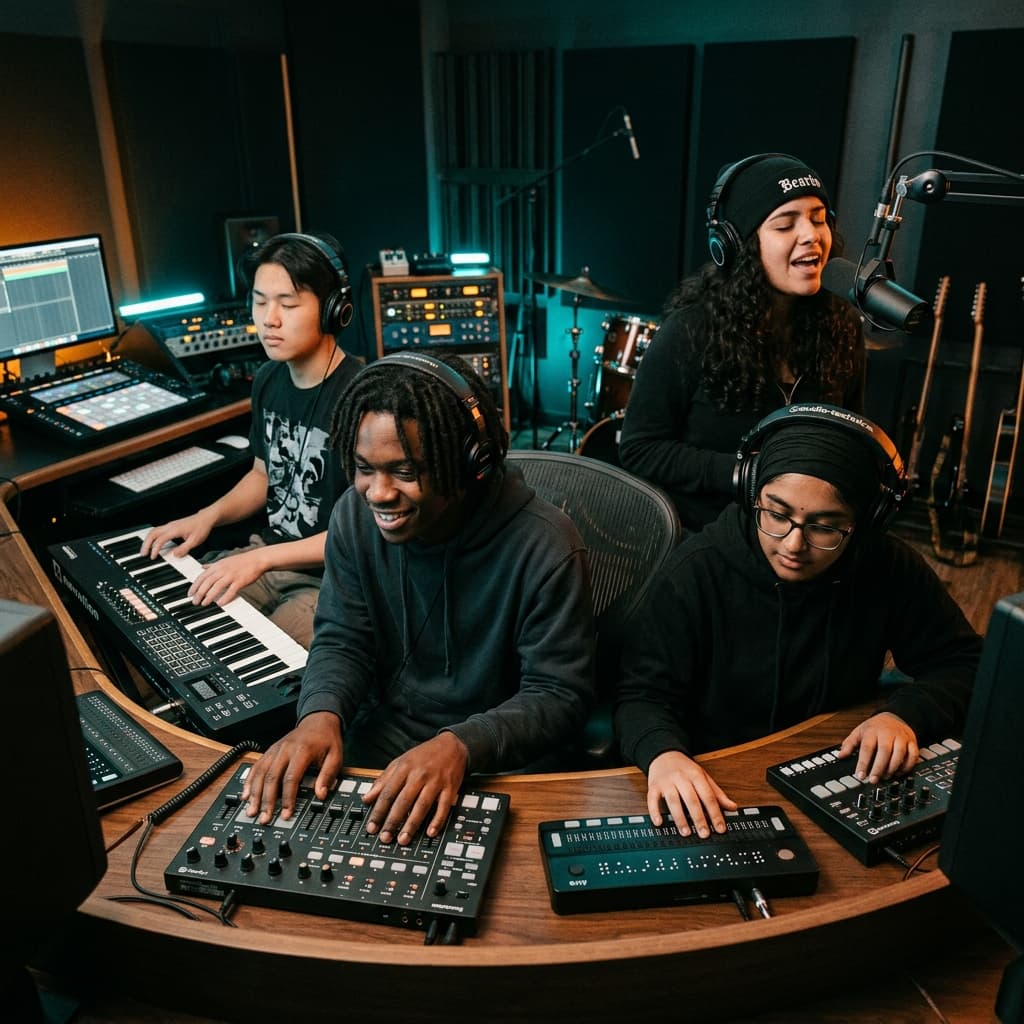
When we first proposed the Vision 2 Victory project, people thought we were being unrealistic. Nine blind high school students with no prior studio experience writing and recording an original song in a single day? The logistics alone seemed impossible.
But that was exactly the point. We wanted to prove that with the right tools, the right environment, and the right support, disability is not a barrier to professional music creation. It's just a different starting point.
Building an Accessible Studio Rig
The first step was rethinking our entire studio setup. Standard DAWs aren't designed for screen readers. Mixing consoles rely on visual feedback. Even the physical layout of the studio assumed sighted navigation.
We spent three months building a fully accessible recording rig. We integrated screen-reader-compatible software, tactile MIDI controllers with raised markings, and a custom routing system that let each student control their own input channel through touch.
The goal wasn't to create a simplified version of the studio experience. It was to create an equally powerful one, just with different interfaces. Every student had the same creative control as any sighted artist who walks into our studio.
What Happened in the Studio
The students arrived at 9 AM. By noon, they had a melody, a chord progression, and the beginnings of a lyric. By 3 PM, they were tracking vocals. By 6 PM, we had a rough mix of a complete, original song.
The energy in the room was unlike anything we'd experienced. These students weren't just participating. They were leading. They made creative decisions, gave each other feedback, and pushed through moments of frustration with a resilience that humbled every producer in the room.
The final song, 'See What I See,' became a statement about identity, perception, and the power of creative expression. It's one of the best things we've ever been part of at EQ Records.
What Vision 2 Victory Taught Us
This project changed how we think about accessibility, not just in the studio, but in every aspect of our programming. We learned that accessibility isn't about accommodation. It's about design. When you design for the widest range of abilities from the start, everyone benefits.
We've since integrated adaptive equipment into every A.M.P. residency and group session. Our Adaptive Music Lab program grew directly out of the Vision 2 Victory experience. And we've shared our rig designs with three other studios who are building their own accessible setups.
The students taught us something we should have known all along: the barrier was never ability. It was access.
Help Us Create The Next
Generation Of Artists.
Every session, every mentor, every dollar. They all come together to give young artists a future in music.